Your Child Learning to Feed Themselves: A Key Developmental Milestone
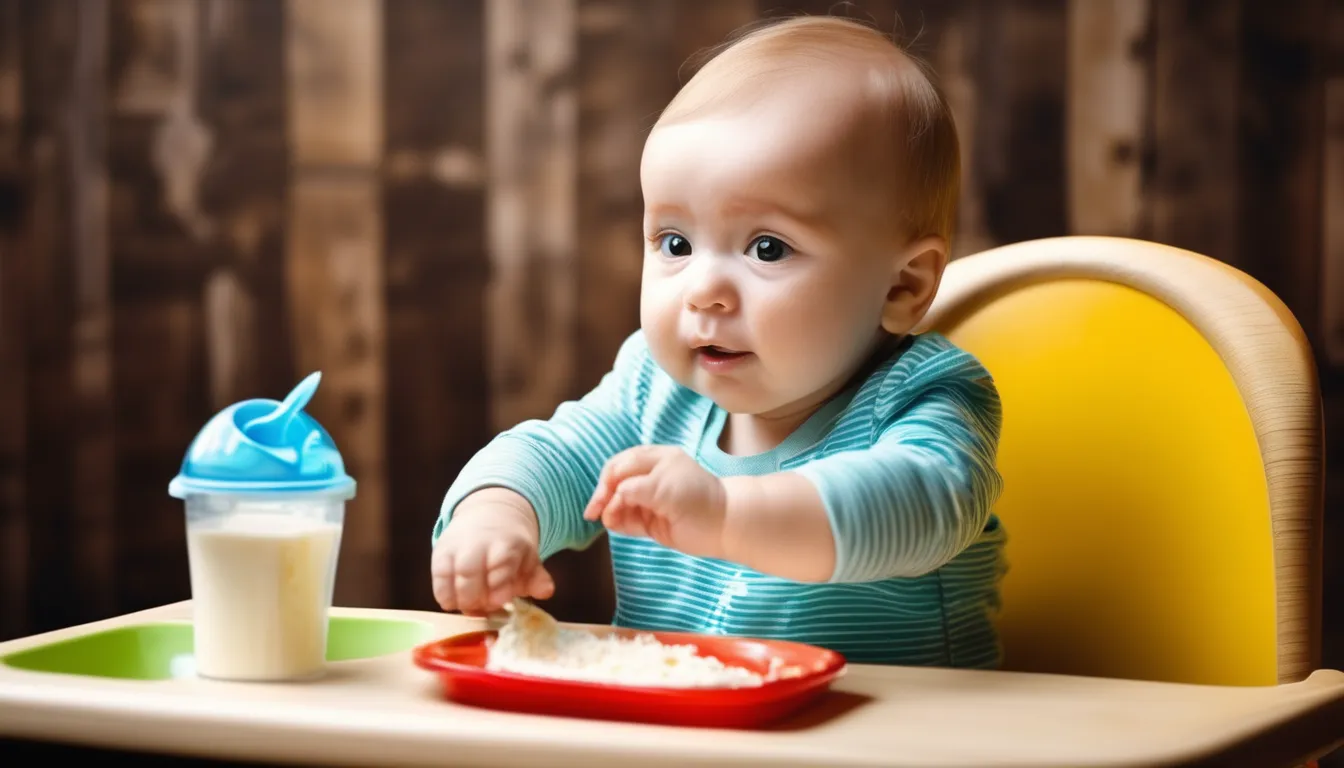
As your little one grows, they will reach a significant milestone: learning to feed themselves. This stage is not just about moving from spoon-fed meals to self-feeding; it’s a crucial part of their development that brings numerous benefits and challenges. Here’s a closer look at why this stage is important and how to navigate it successfully.
Why Self-Feeding Is Important
- Independence and Skill Development
Learning to eat independently is a fundamental skill for children. It fosters a sense of autonomy and responsibility. This ability not only prepares them for later years but also boosts their confidence and self-esteem. According to research published in The Journal of Pediatric Gastroenterology and Nutrition (2019), self-feeding encourages the development of fine motor skills and hand-eye coordination (Journal of Pediatric Gastroenterology and Nutrition). - Sensory Exploration
When children begin to feed themselves, they engage in sensory exploration. This stage involves a lot of feeling, squeezing, and dropping food. It might seem messy, but it’s one of the ways your child develops fine motor skills and sensory perception. A study in Appetite (2018) highlights that this sensory interaction helps children learn about the taste, texture, smell, and temperature of food, which is vital for their sensory development (Appetite).
What to Expect When Children Are Learning to Feed Themselves
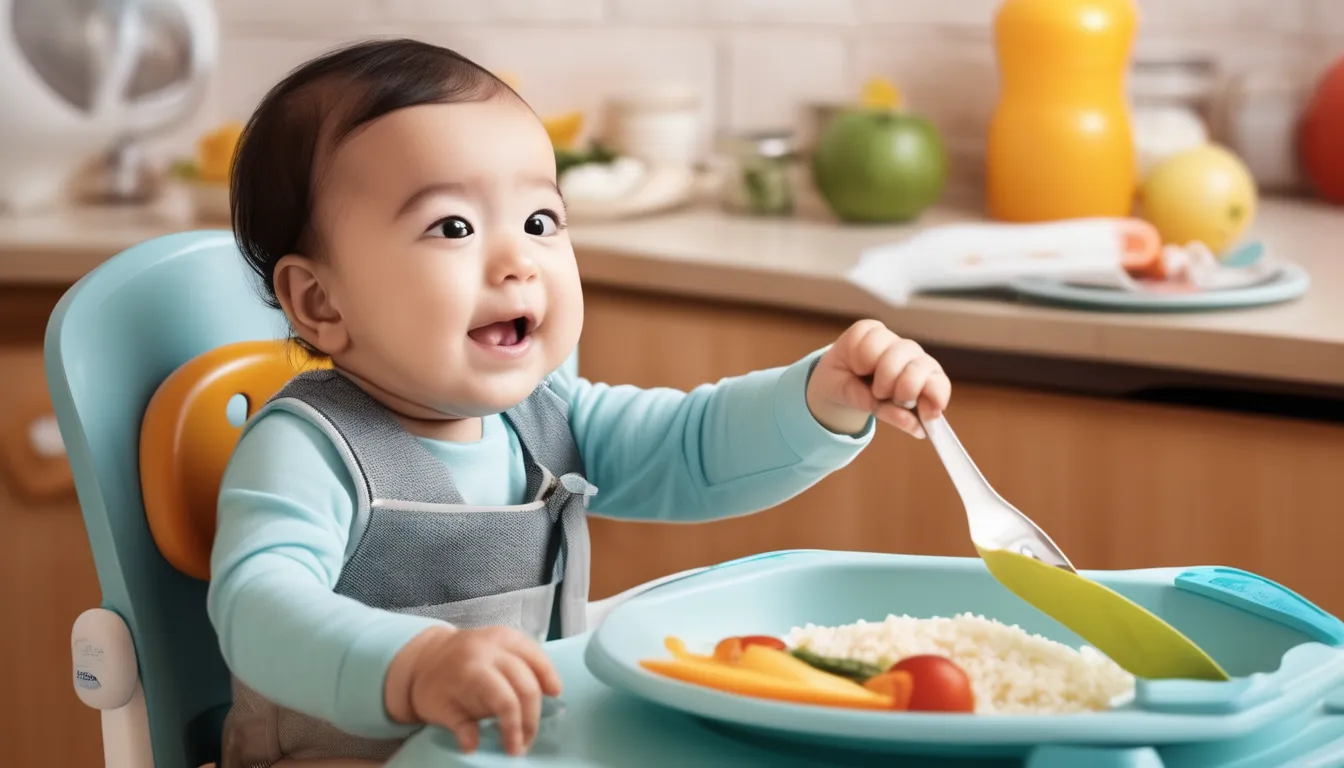
Once you introduce solid food, your child might show signs of wanting to feed themselves. For example, they might start reaching out for the spoon or trying to take food off your plate. It’s natural for your child to want to feed themselves, and it’s great to encourage this—even though it can be messy and sometimes frustrating.
Be patient—your child will get there eventually. You might like to keep a camera handy to capture the funny side of this feeding stage. Research published in Early Child Development and Care (2020) suggests that parental encouragement and patience during this phase significantly impact a child’s eating habits and self-feeding skills (Early Child Development and Care).
Starting with Finger Foods
Finger foods are small, soft pieces of food that are easy for children to pick up and mash between their gums or teeth. If your child is showing interest in feeding themselves, finger foods are a great way to start.
You could try small, soft pieces of:
- Fruit: like ripe banana, mango, or kiwi fruit
- Cooked vegetables: such as potato, sweet potato, or pumpkin
Top Tip: Put a few pieces of food within your child’s reach. You can add more when your child finishes them or drops them. This way, the food won’t all end up on the floor at the start.
To prevent choking, always supervise your child when they’re learning to feed themselves. Ensure your child is sitting up and not playing or crawling around. Certain foods—like whole nuts and hard foods like chopped raw carrot—are choking hazards and should be avoided. The American Academy of Pediatrics provides detailed guidelines on food safety and choking prevention (American Academy of Pediatrics).
Learning to Use a Spoon or Fork
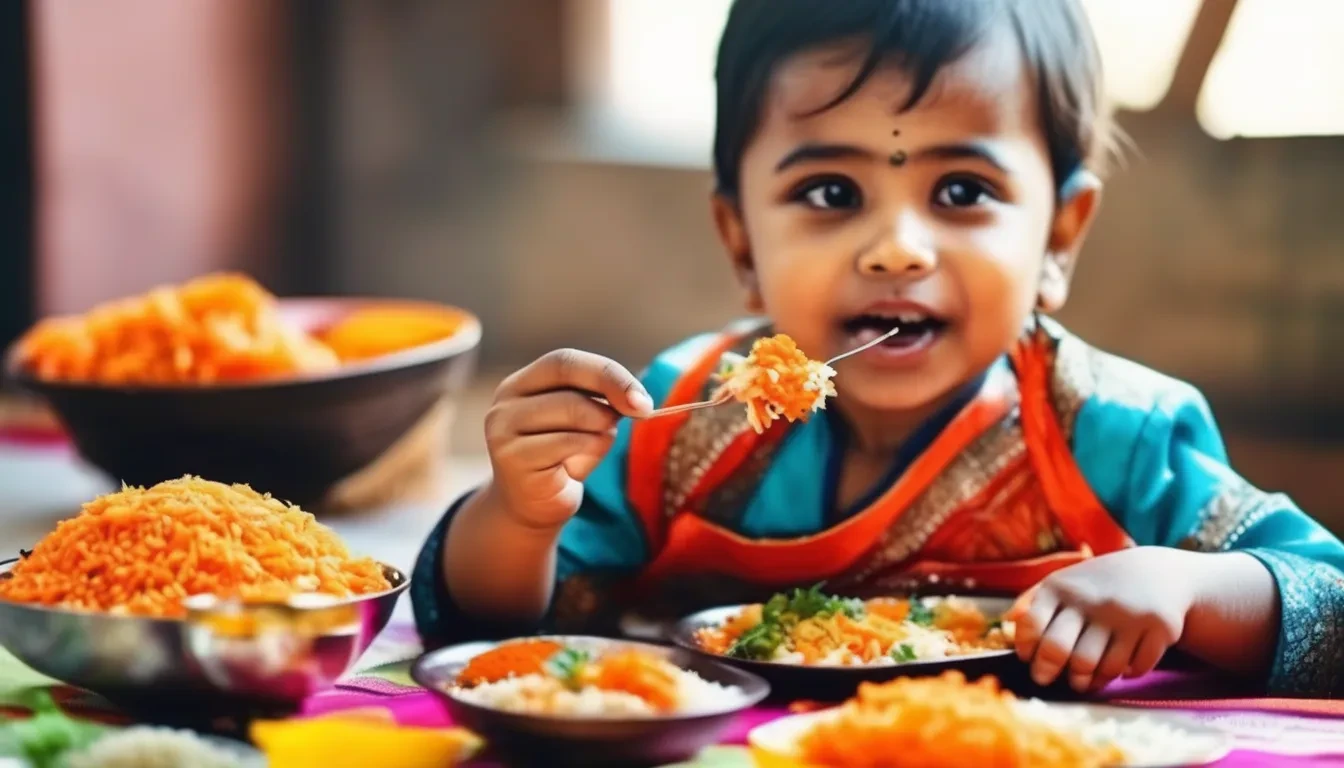
Most babies won’t be able to use a spoon or fork until they’re about 18 months old. However, it’s beneficial to let your child practice from a much earlier age. Usually, babies will signal when they want to start by constantly reaching for the spoon or fork.
Here are ideas to encourage your child to use a spoon or fork:
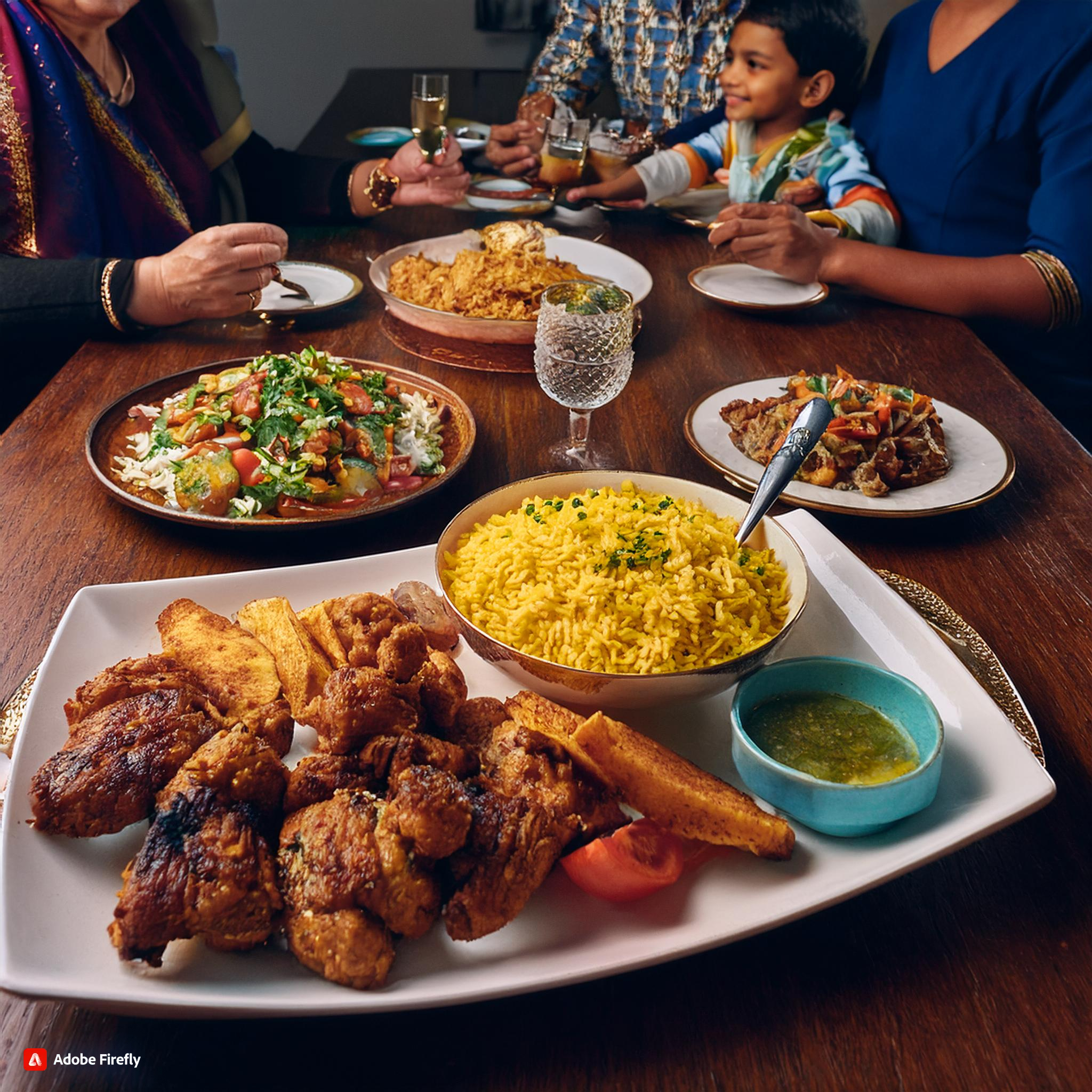
- Eat meals together: Let your child observe how you use utensils.
- Start with plastic spoons or forks: These are softer for your child. As skills improve, transition to small, metal utensils.
- Feed your child with one spoon or fork while they hold another: This allows them to practice while being guided.
- Pre-load utensils: Place food on the spoon or fork before giving it to your child.
- Encourage practice: Regular practice builds skills and confidence.
- Praise their efforts: Positive reinforcement encourages continued attempts.
From around 6 months, your child can also start learning to drink from a cup. This process takes practice and can be slow and messy initially. Research in The Journal of Pediatric Nursing (2017) emphasizes that early introduction of cup drinking supports the development of oral motor skills (Journal of Pediatric Nursing).
Managing Mess and Food Play
Messy eating and playing with food are normal parts of development when children are learning to eat independently. If the mess is stressful, these tips might help:
- Use a bib: To minimize mess on clothing.
- Cut food into strips or fingers: Easier for little hands to pick up.
- Allow hand-eating: If your child prefers it.
- Use a suction plate or bowl: To prevent spills.
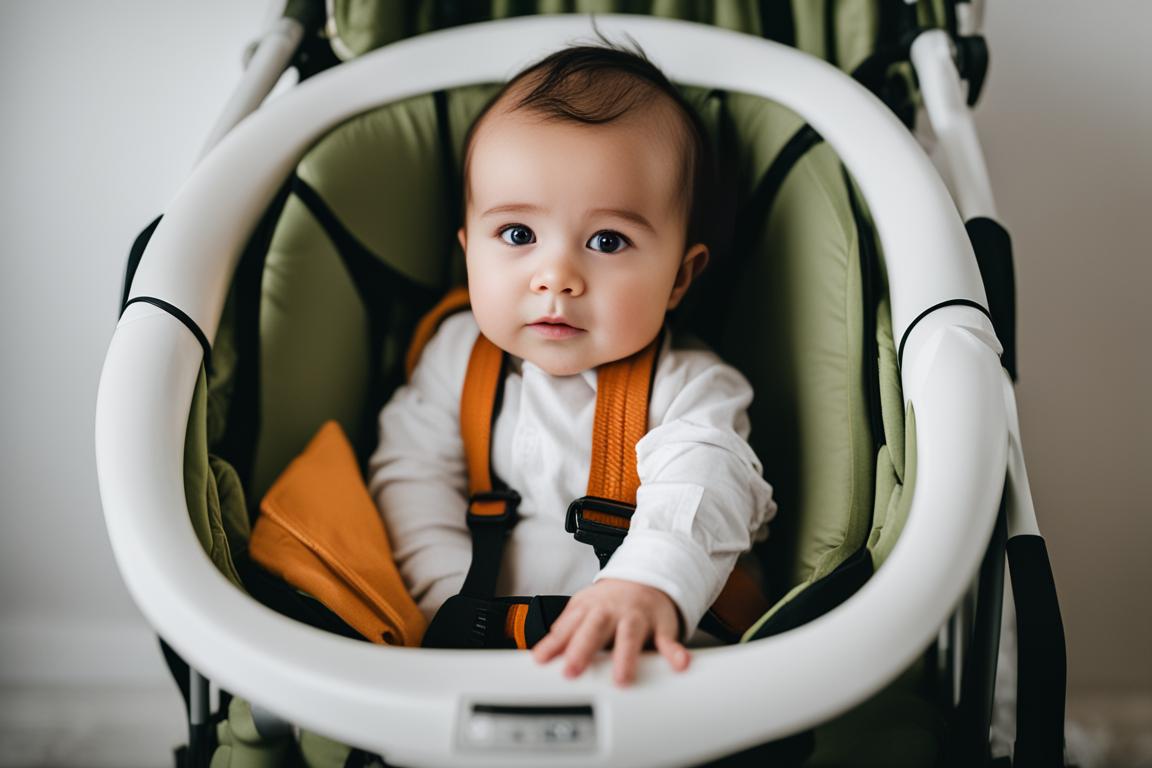
- Place a dropsheet under the highchair: For easy clean-up.
- Set up outside: If you have a safe flat area.
It’s normal for your child to drop or throw food on the floor. If you react, they might think it’s a game. Instead, ignore the mess and calmly clean up afterward. A study in Developmental Science (2019) suggests that allowing children to engage in messiness without overreacting helps them develop a positive relationship with food (Developmental Science).
Conclusion
Learning to feed themselves is a crucial stage in your child’s development, helping them gain independence and essential skills. Embrace the messiness and celebrate their progress as they learn to navigate this exciting phase. With patience and encouragement, your child will master self-feeding and enjoy the journey of discovering new tastes and textures.