Family Meals and Healthy Eating: Setting the Foundation for Lifelong Health
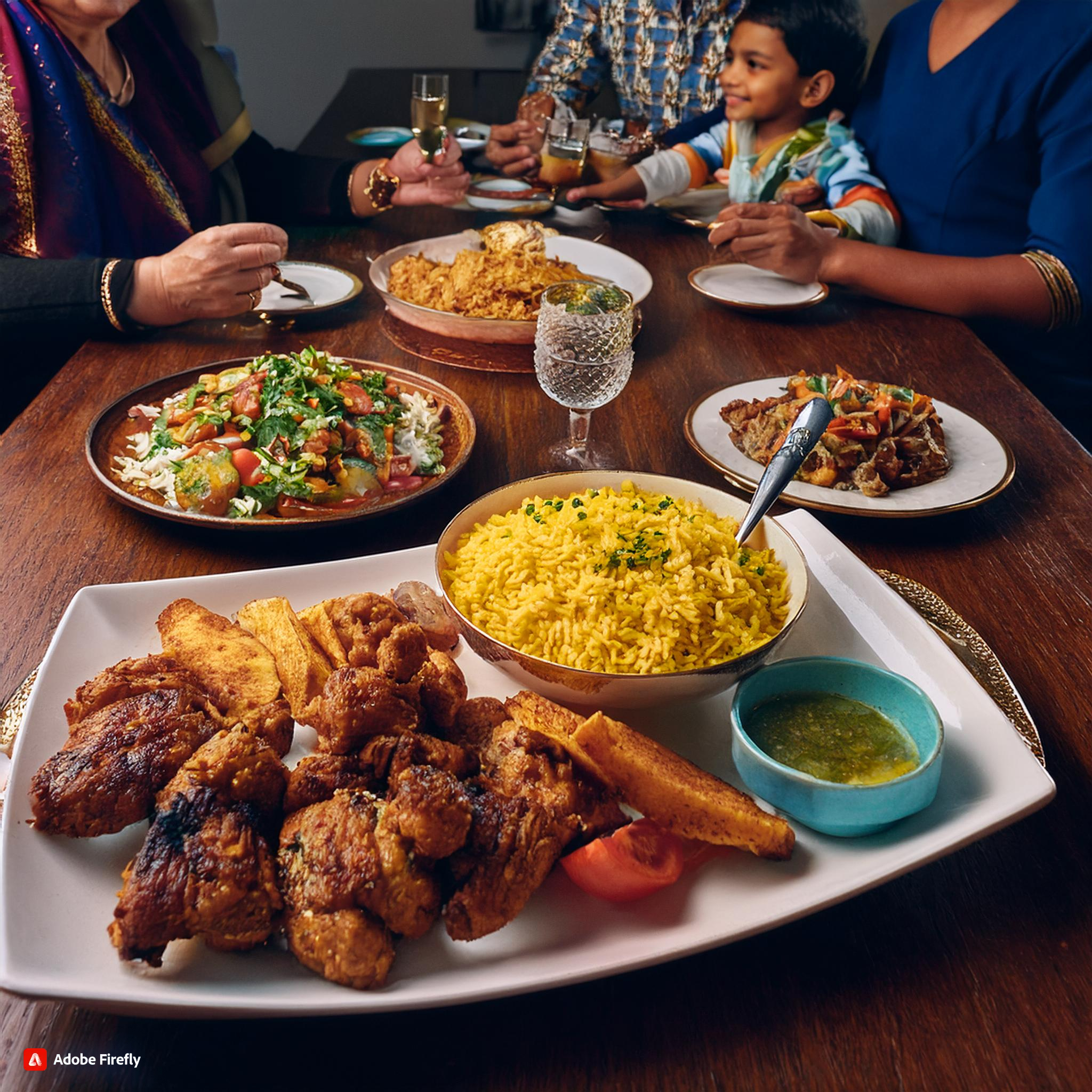
Family meals are more than just a time to eat together—they are a fundamental part of your child’s development and well-being. Here’s why family meals matter and how they contribute to healthy eating habits, supported by evidence-based research.
The Importance of Family Meals
- Role Modeling Healthy Eating
As a parent, you are your child’s most important role model. Children learn by watching their parents, so if you want your toddler to develop healthy eating habits, it’s essential to model these behaviours yourself. Studies have shown that children who observe their parents eating a variety of healthy foods are more likely to adopt similar eating habits (American Journal of Clinical Nutrition, 2016). - Nurturing Healthy Eating Habits
Introducing healthy eating habits early can set your child on a path to lifelong wellness. A study published in Appetite (2017) highlights that children who are exposed to healthy foods and routines at an early age are more likely to continue these habits into adolescence and adulthood (Appetite).
Encouraging a Positive Relationship with Food
- Reducing Mealtime Stress
It’s common for children’s appetites to fluctuate, and what they eat in one meal or even one day might not reflect their overall intake. Research in The Journal of Nutrition Education and Behavior (2018) suggests that focusing on a child’s eating habits over a week or more, rather than individual meals, can help reduce stress about their dietary intake (Journal of Nutrition Education and Behavior). - Involvement in Meal Preparation
Getting your toddler involved in planning and preparing meals can increase their interest in healthy foods. A study in Public Health Nutrition (2016) indicates that children who help in meal preparation are more likely to try and enjoy a variety of foods (Public Health Nutrition).
Family Meals and Development
- Creating Routines and Values
Regular family meals provide an opportunity for children to learn about family values and develop a sense of belonging. Studies show that family meals help strengthen familial bonds and create a positive environment that encourages healthy eating patterns. The Journal of Family Psychology (2019) emphasises that family meals foster emotional connections and support the development of healthy eating habits (Journal of Family Psychology). - Improving Eating Routines
Setting regular mealtimes can help establish a routine, which is beneficial for children, especially those who may get distracted or tired by the end of the day. Research in Eating Behaviours (2018) suggests that structured mealtimes can help regulate children’s eating habits and reduce unhealthy snacking (Eating Behaviors).
Teaching Table Manners
- Modelling Behaviour
Family meals are a prime opportunity to teach table manners. The Journal of Child Psychology and Psychiatry (2017) notes that children learn table manners through observation and consistent practice, and while they might not grasp all nuances until around age 5, early modelling is crucial (Journal of Child Psychology and Psychiatry).
Minimising Distractions
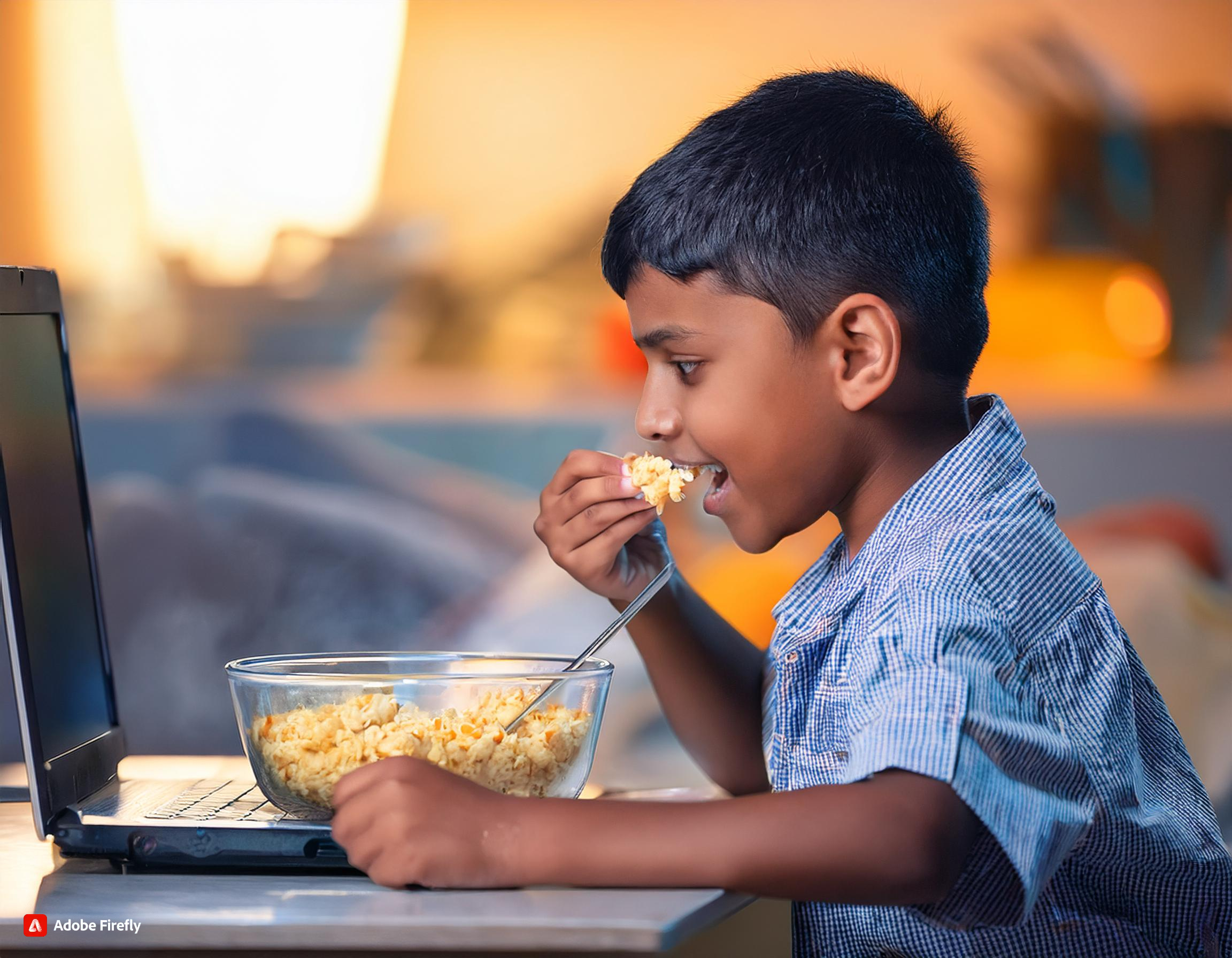
Turning off screens during mealtimes can help children focus on eating and develop better eating habits. A study in Pediatrics (2017) found that meals without screen distractions are associated with healthier eating behaviors and better family interactions (Pediatrics).
Promoting Safe Eating Habits
- Preventing Choking
Ensuring that children sit down while eating is important for safety. Research in The Journal of Pediatric Surgery (2018) highlights that sitting while eating reduces the risk of choking by allowing children to concentrate on their food (Journal of Pediatric Surgery).
Conclusion
Family meals are a cornerstone of healthy eating and family bonding. By modelling healthy behaviours, involving your child in meal preparation, and maintaining consistent mealtimes, you set the stage for lifelong health and positive eating habits. Embrace these opportunities to foster a love for nutritious foods and a strong sense of family connection.
References:
- American Journal of Clinical Nutrition, 2016
- Appetite, 2017
- Journal of Nutrition Education and Behavior, 2018
- Public Health Nutrition, 2016
- Journal of Family Psychology, 2019