How Your Diet During Pregnancy Influences Your Baby’s Food Preferences: A Guide to Early Flavour Exposure
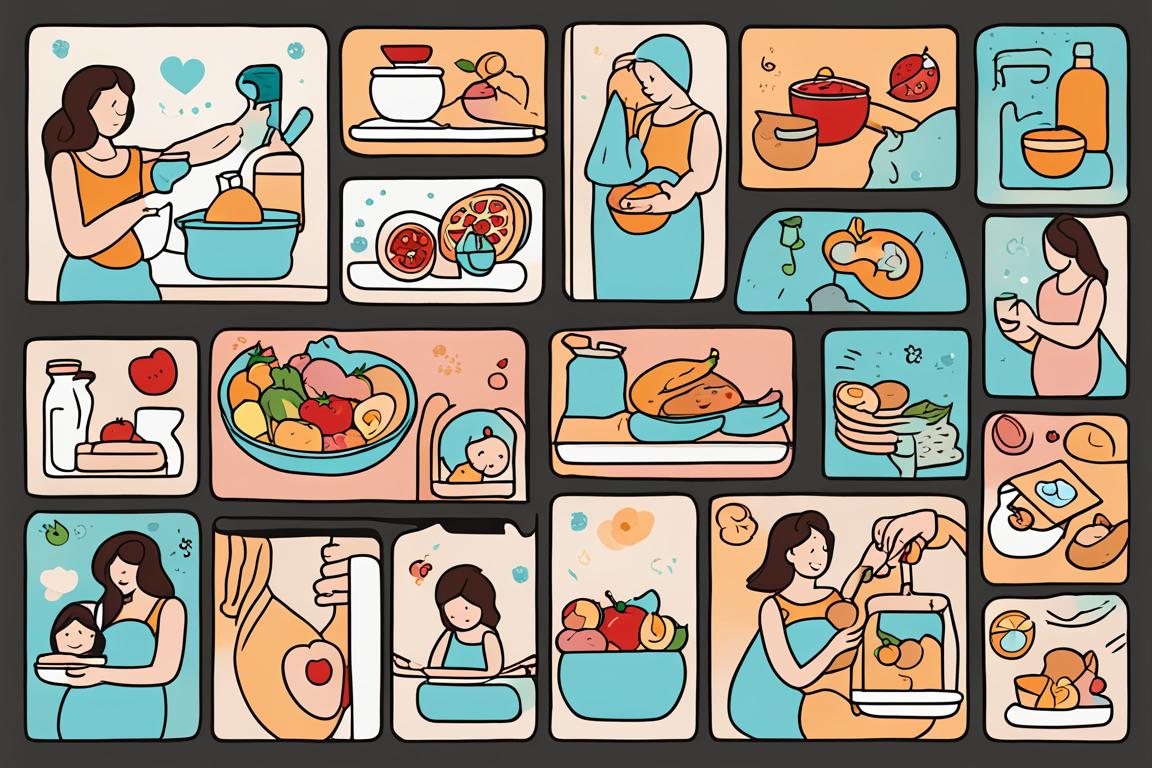
Pregnancy is a transformative period that affects both the expectant mother and the developing baby. One fascinating aspect of this time is how your diet can influence your baby’s food preferences. Research indicates that what you eat during pregnancy can significantly impact your baby’s taste preferences and acceptance of various foods. Here’s an evidence-based look at how this process works and how you can foster healthy eating habits in your child from the start.
1. In Utero Flavor Exposure
By 13 to 15 weeks of gestation, your baby begins to develop taste buds. By the second trimester, your baby can sense the flavours of the foods you consume through the amniotic fluid. Studies show that flavours from your diet can pass into the amniotic fluid, allowing your baby to detect these flavours. Research published in The American Journal of Clinical Nutrition found that maternal consumption of distinct flavours, such as carrots and garlic, can be detected by the foetus and may influence postnatal flavour preferences. Babies whose mothers consumed carrots during pregnancy were more likely to accept carrot-flavoured foods after birth [1].
2. Breastfeeding and Flavor Transmission
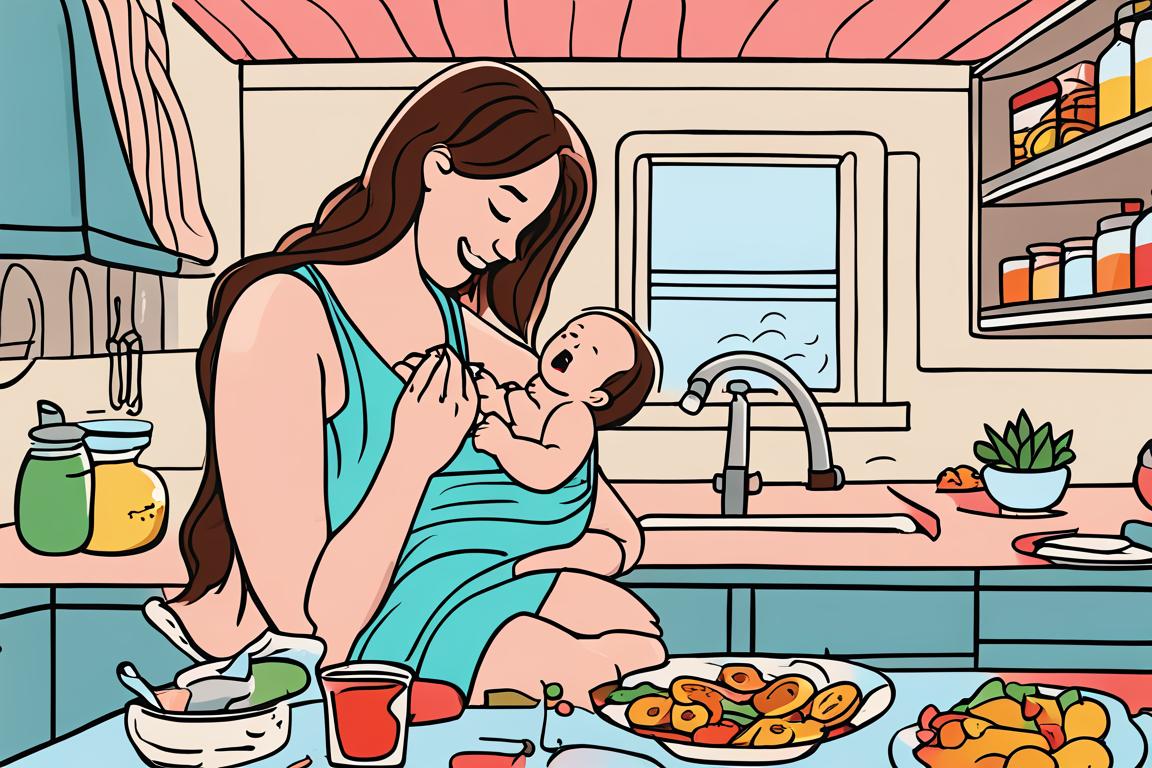
Breastfeeding extends the flavour exposure initiated during pregnancy. The flavours from your diet are transmitted through breast milk, giving your baby ongoing exposure to different tastes. This continued exposure helps shape your baby’s palate, making them more receptive to a variety of foods. A study published in The Journal of Pediatrics found that infants exposed to a variety of flavours through breast milk were more likely to accept these flavours when introduced as solid foods. This early exposure to diverse flavours can help in developing a more varied and balanced diet as your child grows [2].
3. Introduction of Solid Foods
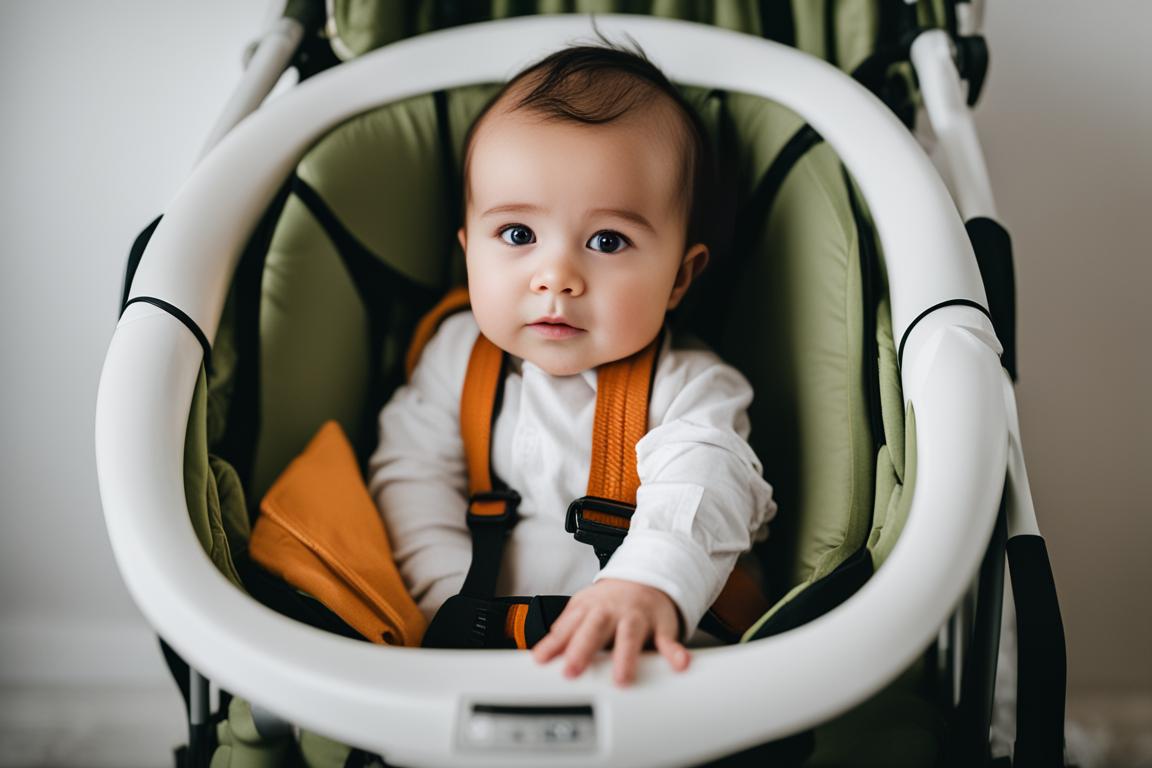
When introducing solid foods, your baby might show a preference for flavours they have been exposed to through amniotic fluid and breast milk. This early exposure can facilitate a smoother transition to solid foods, as your baby may be more willing to try and accept new flavours. Research published in The Journal of Nutrition indicates that infants who had been exposed to a range of flavours in utero and through breastfeeding were more open to accepting those flavours when introduced as solids. This suggests that early flavour exposure can lead to a broader acceptance of different foods and contribute to establishing healthy eating habits [3].
4. Influence of Family Food Culture
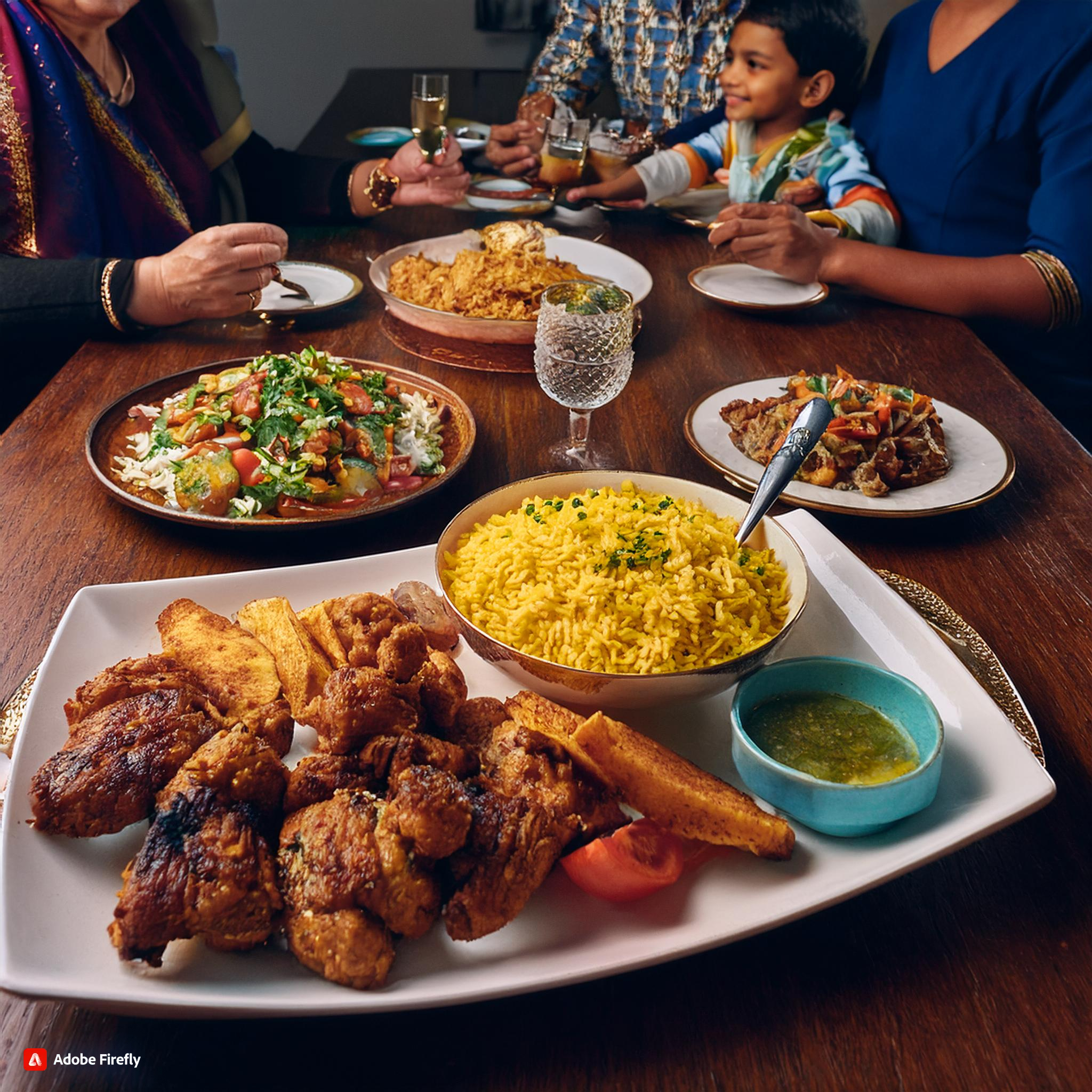
Family eating habits and food culture also play a crucial role in shaping your child’s food preferences. Children are influenced by the foods regularly consumed within their family environment. A positive family food culture can encourage healthy eating habits. A study published in Appetite found that children exposed to a diverse range of healthy foods within their family environment were more likely to continue eating those foods as they grew older. This suggests that a family food culture that includes regular consumption of fruits, vegetables, and whole grains can positively impact a child’s long-term food preferences and dietary habits [4].
Conclusion
Your diet during pregnancy can influence your baby’s food preferences, but it’s important to remember that each child is unique. Genetics, individual tastes, and exposure to different foods all play a role in shaping eating habits. Maintaining a diverse and balanced diet during pregnancy and breastfeeding, combined with fostering a positive family food culture, can set the stage for your child to develop healthy eating habits.
Encouraging a broad range of flavours and nutritious foods from the beginning can make the journey to healthy eating easier and more enjoyable for your child. By integrating these evidence-based practices, you can help your child develop a well-rounded palate and a lifelong appreciation for nutritious foods.
References
- American Journal of Clinical Nutrition. (2009). “Flavor learning during pregnancy and lactation: The effect of maternal diet on infant acceptance of foods.” Retrieved from American Journal of Clinical Nutrition.
- Journal of Pediatrics. (2013). “Flavor exposure and acceptance of new foods in infancy.” Retrieved from Journal of Pediatrics.
- Journal of Nutrition. (2011). “Early exposure to flavors and food acceptance in infants.” Retrieved from Journal of Nutrition.
Appetite. (2015). “Family food culture and children’s eating behavior.” Retrieved from Appetite.