How Overusing Baby Gear Can Affect My Baby’s Development: A Guide to Container Baby Syndrome
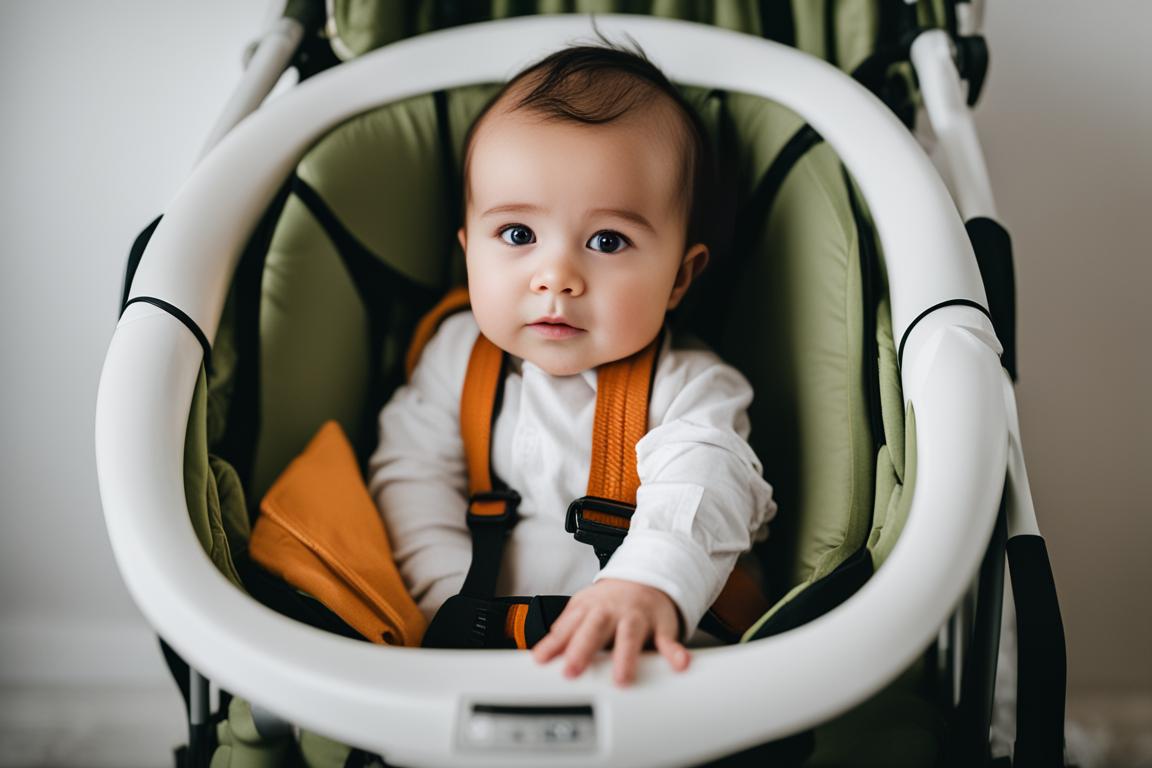
As a new parent, I often relied on baby gear like car seats, strollers, and swings to make life easier. These items are incredibly helpful, but I’ve learned that it’s essential to be aware of a condition known as Container Baby Syndrome (CBS). This condition can arise from excessive use of these “containers,” which can restrict our baby’s movement and potentially lead to developmental issues.
Here’s what I’ve discovered about CBS, why it happens, and how we can help prevent it to ensure my little one’s healthy development.
What is Container Baby Syndrome?
Container Baby Syndrome refers to a set of developmental issues that can occur when babies spend too much time in devices that limit their movement, such as car seats, bouncers, swings, and strollers. While these items provide convenience, they can also restrict our baby’s ability to move freely, which is crucial for their growth and development.
Why Does CBS Happen?
Several factors contribute to CBS, mainly due to the restricted movement associated with these containers:
- Positional Plagiocephaly: Sometimes called flat head syndrome, this condition can develop when a baby’s head rests in the same position for long periods, leading to flattening on one side. This is common in babies who spend too much time in car seats or bouncers (1).
- Torticollis: This condition occurs when a baby’s neck muscles become tight on one side, causing the head to tilt. Limited movement in containers can contribute to this condition because the baby isn’t able to turn their head freely (2).
- Developmental Delays: Babies need plenty of tummy time and opportunities to move around to hit their motor milestones, such as rolling, sitting, and crawling. Excessive container use can delay these skills (3).
- Decreased Muscle Strength: Spending too much time in containers can lead to weaker muscles since babies aren’t getting the chance to move and strengthen their body (4).
What Gear Can Lead to Container Baby Syndrome?
Certain baby gear is more likely to contribute to CBS if used excessively:
- Car Seats: While essential for safety during travel, prolonged use outside of the car can limit your baby’s movement.
- Strollers: Though convenient for outings, long periods in a stroller can restrict your baby’s ability to move freely.
- Bouncers: Designed to soothe and entertain, bouncers can restrict movement and limit tummy time.
- Swings: Similar to bouncers, swings can keep babies in a fixed position for extended periods, affecting muscle development.
Infant Seats: Seats designed for feeding or resting can sometimes confine baby’s movement more than intended.
How Can I Prevent CBS?
Fortunately, there are simple steps we can take to reduce the risk of CBS and support our baby’s development:
- Limit Container Time: Try to keep the time your baby spends in containers to under one hour at a stretch. This helps ensure they have plenty of opportunities for free movement (5).
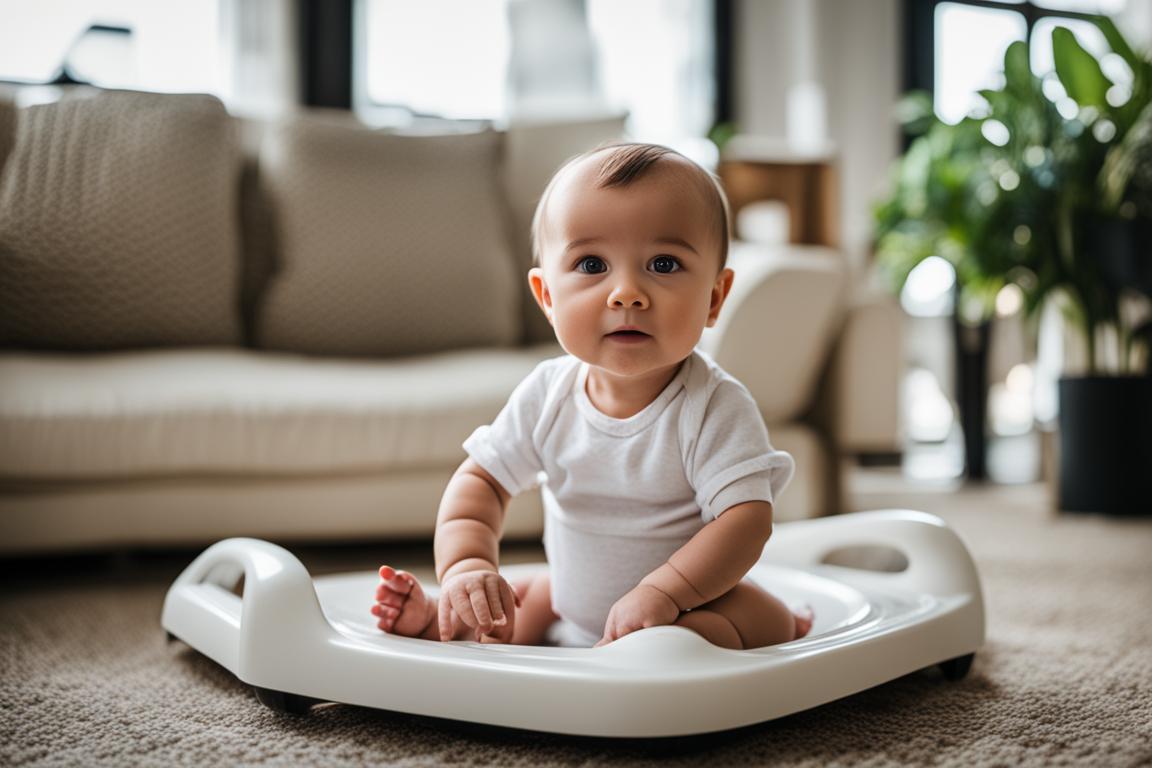
- Encourage Tummy Time: Tummy time is vital for building strong muscles and promoting healthy motor development. I started with a few minutes several times a day and gradually increased as my baby got used to it (6).
- Alternate Positions: Try changing your baby’s position regularly to avoid putting constant pressure on one part of their head or body, helping to prevent issues like flat spots on their head (7).
- Interactive Play: Engage in floor play where your baby can reach, roll, and crawl. This type of play helps develop strength and coordination (8).
- Consider Physical Therapy: If you notice signs of CBS, such as delays in motor skills or muscle weakness, early physical therapy can be very beneficial. Therapists can provide exercises to help my baby develop properly (9).
What to Do if I Suspect CBS
If you are concerned that your baby might be showing signs of CBS, here are some steps you can take:
- Seek Physical Therapy: A physical therapist can offer customised exercises and guidance to help address any developmental delays or muscle issues (10).
- Helmet Therapy: For more severe cases of positional plagiocephaly, helmet therapy may be recommended. Helmets can help reshape the skull and are most effective when started early (11).
- Educate yourself: Learning about the importance of limiting container use and promoting active play helps me prevent CBS. I can also reach out to my healthcare provider for advice and resources (12).
Conclusion
Preventing Container Baby Syndrome is all about balance. By minimising time spent in containers and maximising opportunities for movement, tummy time, and interactive play, you can support your baby’s healthy development. Early intervention through physical therapy and staying informed will also help manage and prevent CBS effectively. Keeping these tips in mind will help ensure my little one grows up strong and healthy.
References:
- American Academy of Pediatrics. (2022). “Prevention and Management of Positional Plagiocephaly.” Pediatrics.
- Sullivan, M. C., & McGrath, A. M. (2020). “Torticollis and Plagiocephaly: Implications for Physical Therapy in Infancy.” Journal of Pediatric Physical Therapy.
- Centers for Disease Control and Prevention. (2021). “Developmental Milestones.” CDC.gov.
- Hall, J., & Scales, S. (2019). “Effects of Prolonged Container Use on Motor Development: A Review.” Pediatrics.
- American Academy of Pediatrics. (2022). “Safe Sleep and Developmental Positioning.” Pediatrics.
- Will, L. H., & Thompson, J. K. (2018). “The Importance of Tummy Time for Infant Development.” Journal of Pediatric Therapy.
- American Academy of Pediatrics. (2023). “Recommendations for Infant Sleep and Development.” Pediatrics.
- Hughes, M., & Fraser, D. (2017). “Interactive Play and Motor Development in Infants.” Journal of Developmental Medicine.
- Johnson, C., & Parks, K. (2021). “Physical Therapy Interventions for Developmental Delays in Infants.” Physical Therapy Journal.
- McCormick, J. A., & Ferguson, M. A. (2020). “Early Intervention Strategies for Motor Delays.” Journal of Pediatric Rehabilitation Medicine.
- Singh, A., & Rothenberg, D. (2022). “Helmet Therapy for Positional Plagiocephaly: An Overview.” Journal of Craniofacial Surgery.
- National Institute for Health and Care Excellence. (2023). “Parental Guidance on Infant Development and Positioning.” NICE.org.
By being proactive and informed, we can help our baby thrive and avoid the pitfalls of Container Baby Syndrome.